

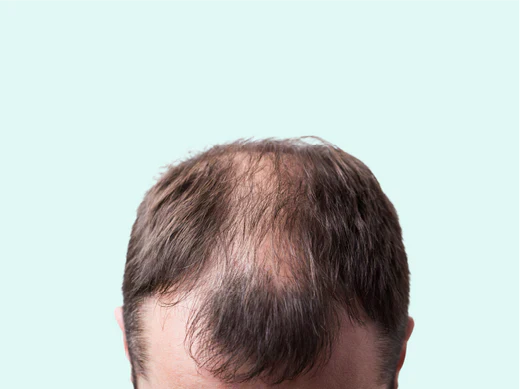
If you are considering using steroids, you may have heard that they can affect your hair. This can raise important questions, especially if you want to understand the possible risks before making a decision. You might wonder whether hair loss is common, whether it only happens to certain people or if it depends on the type of steroid you use.
Steroids can influence the body in several ways, and for some people this includes changes in hair growth. Not all steroids have the same effect, and your own genetic sensitivity also plays a key role. Knowing how these factors work together can help you understand what to expect.
In this article, we explain how steroids may affect your hair, which types carry the highest risk and what you can do to support healthy hair growth if you decide to use them.
What are steroids?
Steroids are substances that act like natural hormones in the body and change how certain processes work. They can be made in a laboratory or prescribed as medicines. Steroids influence muscle growth, inflammation and the immune system, depending on the type you use.
There are two main types of steroids and they work very differently.
Anabolic steroids
Anabolic steroids are synthetic versions of testosterone. People use them to build muscle, increase strength or improve performance. Because they behave like male hormones, they can influence the hair follicles on your scalp.
Corticosteroids
Corticosteroids are prescribed medicines used to treat inflammation, asthma or autoimmune diseases. They calm the immune system. They do not act like testosterone and therefore affect hair in a different way.
How can steroids cause hair loss?
Hair loss linked to steroids usually involves changes in hormones and how your hair follicles respond to those changes.
Hormonal changes and DHT
Some anabolic steroids can increase androgen activity and, in some cases, DHT (dihydrotestosterone).
DHT is naturally present in the body, but some people are more sensitive to it. If your hair follicles are sensitive, higher androgen activity can speed up thinning. This is the same process involved in androgenetic alopecia.
Genetic sensitivity matters
Not everyone reacts the same. If you are genetically sensitive to DHT, steroids can accelerate a process that might have happened later in life anyway. If you are not sensitive, steroids may have little effect on your hair. Genetics remain the most important factor in how someone responds.
Which steroids are most linked to hair loss?
Anabolic steroids have the strongest connection to hair changes because they can influence androgen pathways.
Below is an overview of commonly discussed anabolic steroids and their potential impact. Research on specific steroids is limited, so effects may vary between individuals.
| Steroid | Hair Loss Risk | Androgen / DHT Influence |
| Anavar (oxandrolone) | Moderate to high, depends on genetics | Androgenic activity, can affect sensitive follicles |
| Trenbolone | High in sensitive individuals | Strong androgenic activity; limited research |
| Proviron (mesterolone) | Potential risk for DHT-sensitive users | DHT-derived compound |
| Proviron (mesterolone) | Moderate to high | Increases overall androgen activity |
Corticosteroids (such as Prednisone)
Prednisone is not an anabolic steroid. It belongs to a different group called corticosteroids, which are medicines used to reduce inflammation or calm the immune system. Because it does not act like testosterone and does not increase androgen activity, it does not trigger male pattern baldness.
However, some people may experience temporary shedding or mild thinning while using Prednisone. This is usually linked to changes in the normal hair growth cycle during treatment, not to DHT or genetic hair loss. These effects are not common and often improve once the dose is lowered or the treatment ends.
Anavar and hair loss
What is Anavar?
Anavar (oxandrolone) is an anabolic steroid used for muscle definition and strength. It is often described as “mild”, but mild does not mean hair-safe.
Why Anavar may cause hair loss
Anavar has androgenic activity. This means it can influence hair follicles in people who are sensitive to DHT or male pattern hair loss. It does not create genetic hair loss, but it can speed up a process that is already present.
Will hair grow back after stopping Anavar?
Many people see improvement if the hair loss was caused by temporary shedding. If Anavar accelerated an existing genetic pattern, regrowth may be slower and may not be complete without additional support.
Recovery depends on:
- your genetic sensitivity
- the dose
- how long Anavar was used
- your overall scalp and hair health
Will hair loss from steroids grow back?
If the hair loss is caused by temporary shedding during steroid use, many people see improvement within a few months of stopping. If steroids have accelerated androgenetic alopecia, regrowth may be limited without ongoing support. Hair grows in cycles. Even after the cause is removed, it may take several months before new growth becomes visible.
How to reduce or prevent hair loss from steroids
Stop or reduce steroid use
If you think steroids are affecting your hair, speak to a healthcare professional before making any changes. Do not stop medically prescribed corticosteroids without guidance.
Stimulate healthy hair
A healthy scalp gives your hair the best chance to grow well. The Neofollics Stimulating Hair Growth & Scalp Therapy line contains supportive ingredients such as adenosine, niacinamide, saw palmetto and caffeine, which help improve scalp condition and support healthy hair growth.
FAQ
Can steroids cause permanent hair loss?
Steroids do not create a new form of permanent hair loss, but they can speed up existing genetic hair loss in people who are sensitive to DHT. For others, hair changes may only be temporary.
What is the safest steroid for hair?
No steroid is completely risk-free for every person. Steroids with lower androgenic activity generally have a lower impact on hair. Corticosteroids usually have the least effect on DHT.
Will DHT blockers help prevent hair loss from steroids?
DHT blockers may help some people by reducing androgen activity, but they are not suitable for everyone and should only be used with medical advice.
How long does it take for hair to grow back?
If hair loss was caused by temporary shedding, improvement often appears within a few months after stopping steroids. If genetic hair loss was accelerated, recovery may take longer and may require additional support.
Conclusion
Steroids can influence hair growth, but the effect varies greatly between individuals. Anabolic steroids may speed up hair thinning in people who are sensitive to DHT, while corticosteroids can sometimes cause temporary shedding. Understanding your genetic background and the type of steroid you use can help you understand your own risk. With the right support and care, many people see improvement after stopping steroids or lowering their dose.
Sources
Tawanwongsri, W., Desai, D. D., Nohria, A., Shapiro, J., & Lo Sicco, K. I. (2024). Hair loss in athletic testosterone use in males: A narrative review. International Journal of Dermatology, 64(6), 654–658
Bond, P. (2022). Anabolic–androgenic steroids: How do they work and what are their side-effects? Frontiers in Endocrinology, 13, 1059473.
Basaria, S. (2010). Androgen abuse in athletes. Endocrine Reviews, 31(2), 163–186.
Randall, V. A. (2008). Androgens and hair growth. Dermatologic Therapy, 21(5), 314–328


This information does not replace professional medical advice. If in doubt, always consult a doctor or specialist.


