
Sulfate and paraben free shampoo


Hair Growth Stimulating Shampoo
250 ml
Sale price
€29,95
Regular price
€0,00
Unit price
per


Scalp Therapy Exfoliating Shampoo
250 ml
Sale price
€29,95
Regular price
€0,00
Unit price
per


Hair Growth Stimulating Shampoo
Developed to be an effective, safe and user-friendly therapy for both men and women who are suffering from hair loss. It contains 1% piroctone olamine and 12 stimulating ingredients to stimulate hair growth and reduce hair loss.
Volume Discount
2 products = -10%
€26,96
€29,95
3 products or more = -15%
€25,46
€29,95
 Free shipping from €20,00
Sale price
€29,95
Regular price
€0,00
Unit price
per
Taxes included.
Shipping calculated at checkout.


Notified by email when this product becomes available

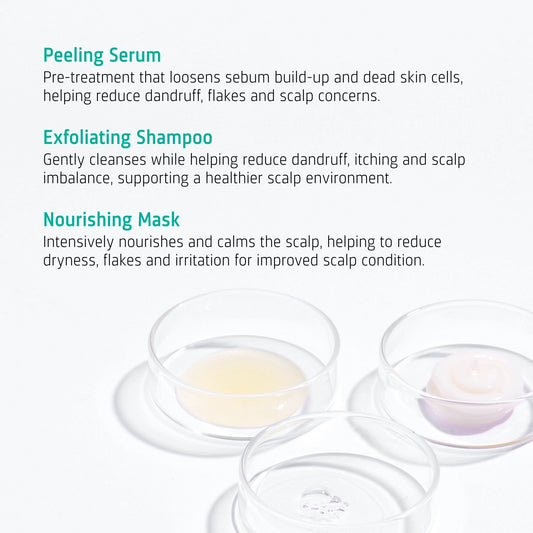
Healthy scalp routine
Serum + Shampoo + Mask
Regular price
€72,12
Sale price
€72,12
Regular price
€84,85
Unit price
per


Thinning hair routine
Tablets + Shampoo
Regular price
€61,11
Sale price
€61,11
Regular price
€67,90
Unit price
per


Advanced hair loss routine
Tablets + Shampoo + Conditioner + Lotion
Regular price
€115,43
Sale price
€115,43
Regular price
€135,80
Unit price
per


Moderate hair loss routine
Tablets + Shampoo + Lotion
Regular price
€89,97
Sale price
€89,97
Regular price
€105,85
Unit price
per
What results can be expected?


Results may vary per person.
Emilia

Sulfate and paraben free shampoo: all you need to know
Does a sulfate and paraben free shampoo clean my hair properly?
My hair feels different after switching. Is that normal?
Does a sulfate and paraben free shampoo help with hair loss?
Does a sulfate and paraben free shampoo clean my hair properly?
My hair feels different after switching. Is that normal?
Does a sulfate and paraben free shampoo help with hair loss?
Still have questions?
We're here to help. Chat with our customer support team. Monday to Friday, from 9:00 to 17:00 (CET).
You can reach us via email:
customerservice@neofollics.com
customerservice@neofollics.com
Or chat via WhatsApp:
+31658857552
+31658857552