

- Why a healthy scalp is the foundation for well-groomed hair
- Common scalp conditions
-
The ideal routine for caring for the scalp
- 1. Prepare the scalp with a gentle peeling treatment
- 2. Cleanse the scalp with a mild exfoliating shampoo
- 3. Rinse thoroughly with lukewarm water
- 4. Care for the scalp with a leave-in scalp mask
- 5. Use a massage brush for even distribution
- 6. Dry the scalp carefully and limit heat
- 7. Follow the routine regularly for best comfort
- When to see a doctor or dermatologist
- Summary
Many people experience scalp discomfort at some point in their lives. This can include itching, flakes, bumps or a tight feeling on the scalp. Sometimes these issues go away on their own, but the scalp may also need some extra care. In this article, you will find a clear overview of common scalp conditions and what you can do to care for the skin in a gentle way.
Why a healthy scalp is the foundation for well-groomed hair
The scalp protects the hair roots and helps maintain a healthy environment in which your hair can grow. When the scalp becomes more sensitive or feels out of balance, you often notice this in how the skin feels. This can happen due to cold or warm weather, product build-up, or washing your hair very often or very little.
Complaints usually start mildly, such as light itching, dryness or flakes. By noticing these signs early and caring for the scalp in a gentle way, the skin can stay comfortable and in good condition
Common scalp conditions
Below you will find the most common scalp problems, with links to detailed articles on each topic.
Dryness and flakes
Irritation and flakes
- Itchy scalp
- Irritated scalp
- Tingling sensation on the scalp
- Tender or sensitive scalp
- Smelly scalp
-
Scalp rash
Bumps, spots and inflammation-like symptoms
- Bumps on the scalp
- Spots or pimples on the scalp
- Pimples along the hairline
- Scalp folliculitis
- Scrabs on scalp
- Inflamed scalp
- Sunburned scalp
Yeast- or fungus-related imbalance
Medical conditions
The ideal routine for caring for the scalp
The following steps are commonly recommended for supporting a comfortable and well-cared-for scalp. They follow a simple order and combine proven care habits with products designed for the scalp.
1. Prepare the scalp with a gentle peeling treatment
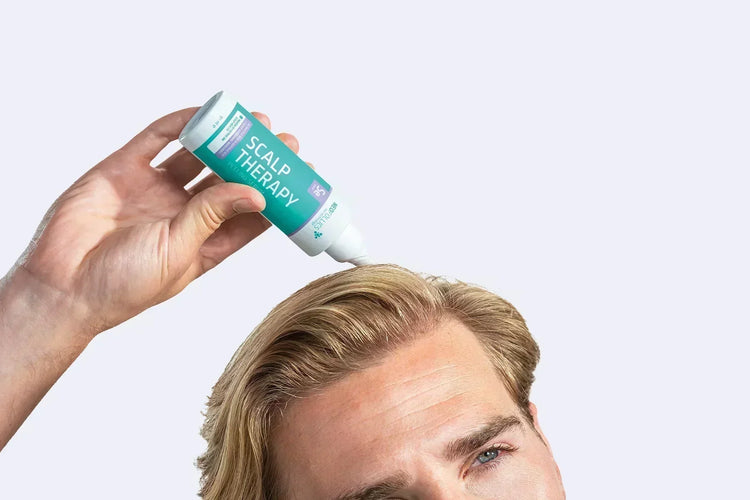
The Neofollics Scalp Therapy Peeling Serum prepares the scalp by loosening oil and dead skin cells. Apply the serum to the scalp, massage gently and leave it on for at least five minutes. This helps the shampoo work more effectively in the next step. Use the serum once or twice a week. Avoid contact with the eyes and use externally only.

2. Cleanse the scalp with a mild exfoliating shampoo
After the serum, cleanse the scalp with the Scalp Therapy Exfoliating Shampoo, which creates a soft lather and is designed for scalp care. Apply a sufficient amount, massage gently into wet hair and leave it on for two to three minutes. Ingredients such as piroctone olamine, liquorice extract and climbazole are commonly used to support a clean and fresh-feeling scalp. Rinse well afterwards. Use this shampoo at least three times a week.

3. Rinse thoroughly with lukewarm water
Rinsing carefully helps the scalp feel clean and fresh. Use lukewarm water where possible, as this is gentler on the skin than hot water. Take a few extra seconds to rinse directly on the scalp so no shampoo, oil or product residue remains. This prevents the skin from feeling heavy or tight and is a simple but effective part of a healthy scalp routine.
4. Care for the scalp with a leave-in scalp mask
After washing, apply the Scalp Therapy Nourishing Mask to help keep the scalp hydrated and comfortable. Apply a generous amount directly to the scalp and massage gently. The mask does not need to be rinsed out, allowing the hydration and care to last longer. Use the mask after each wash with the shampoo.

5. Use a massage brush for even distribution
A scalp massage brush can help spread products evenly and gently massage the skin. Use light, circular movements without pressure so the scalp is not irritated. This step can be especially pleasant when applying shampoo or mask, and many people find that it helps loosen product build-up.

6. Dry the scalp carefully and limit heat
Gently dab the scalp dry with a towel to avoid friction. Let the hair air-dry where possible, or use low heat. Too much heat can feel drying or uncomfortable for some people. A softer drying method often feels gentler on the scalp.
7. Follow the routine regularly for best comfort
A scalp often feels most comfortable when you follow a steady routine. Use the peeling serum once or twice a week, the shampoo three to four times a week and the mask after each wash. This regularity gives the scalp time to adjust. Choose mild products and avoid harsh cleansers or strong fragrances if your scalp feels sensitive.
When to see a doctor or dermatologist
It is sensible to contact a doctor or dermatologist if:
- symptoms last for a longer period
- you develop pain, swelling or blisters
- you notice areas where hair starts to fall out
- the scalp suddenly changes or worsens
- you are unsure about what you are seeing
A professional can assess the cause and explain which approach may be suitable.
Summary
Scalp discomfort is very common and can appear in different ways, from dryness and flakes to itching, bumps or sensitivity. Understanding which scalp problems exist and what may influence them makes it easier to care for the scalp in a gentle and suitable way. A calm approach with mild products, good rinsing habits and attention to what feels comfortable for your skin can help keep the scalp in good condition. If symptoms continue or you are unsure about what you notice, it is always wise to ask a doctor or dermatologist for advice.


This information does not replace professional medical advice. If in doubt, always consult a doctor or specialist.


