

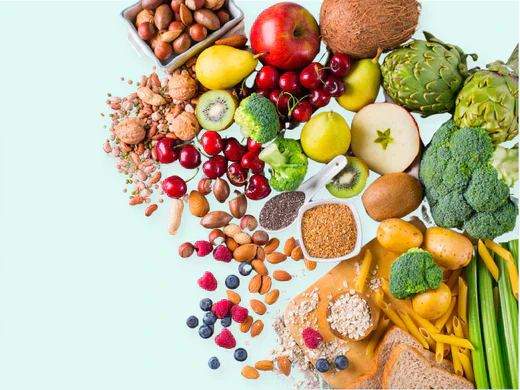
The best nutrition for hair growth is a balanced diet with vitamins, minerals and other essential nutrients. What you eat every day can support healthy, strong hair. In this article, you’ll learn which foods are good for your hair, which eating habits may cause hair problems worse, and when nutrition alone is not enough. This helps you understand what nutrition can and cannot do for your hair.
Why nutrition is important for healthy hair
Foods with a high nutritional value play an important role in supporting normal hair growth. They provide essential nutrients that are involved in the hair growth cycle and the structure of the hair. Examples include eggs, leafy greens, and oily fish.
When certain nutrients are not taken in sufficiently over a longer period of time, this can contribute to thinner hair or increased hair loss. This does not mean that nutrition is the only cause of hair loss, but a varied and nutritious diet does play an important supporting role in overall hair health.
In some situations, such as increased needs or a confirmed deficiency, food supplements can have an additional role. These are meant to support the daily diet and are not a replacement for a healthy and balanced eating pattern.
Research into the relationship between nutrition and hair loss shows that foods provide essential nutrients needed for normal hair formation, such as protein, iron, biotin and zinc. These nutrients support the structure and maintenance of healthy hair, but they do not make hair grow faster than is genetically determined.
Which foods are good for your hair?
Foods with a high nutritional value can support normal hair formation by providing essential nutrients that are involved in the hair growth cycle and hair structure. This is not about making hair grow faster than its natural rate but about supporting healthy hair and helping to prevent deficiencies.
- Protein-rich foods are important because protein provides amino acids that are needed to build keratin, the main component of hair. Good sources of protein include yogurt, beans, poultry, nuts, eggs, and fish.
- Healthy fats support the condition of the skin and scalp and help keep sebum production in balance. Sebum is a natural oil that protects the scalp from dryness and external factors. When sebum production is balanced, the scalp feels comfortable and provides a good base for healthy hair. Foods that contain healthy fats include salmon, walnuts, and olive oil.
- Vitamin C-rich foods help support hair structure and improve iron absorption. A long-term lack of vitamin C can indirectly affect hair quality. Foods high in vitamin C include leafy greens, spinach, citrus fruits, and strawberries.
- Folate (vitamin B9) is involved in cell division and tissue renewal, which are important for normal hair formation. Folate is found in foods such as leafy greens and pulses like lentils.
- Biotin contributes to normal hair formation. Although a biotin deficiency is rare, low intake may be linked to hair problems. Foods that contain biotin include egg yolks, salmon, nuts and seeds.
- Iron is important for transporting oxygen in the body. Oxygen is needed for cells, including those in the scalp, to function properly. If iron intake is too low, this process may not work as well. An iron deficiency is linked to hair loss, especially diffuse hair loss. Iron-rich foods include poultry, spinach, beans, and lentils.
- Vitamin D plays a role in the normal function of hair follicles and in processes such as cell division and tissue renewal. These processes are important for maintaining healthy hair. When vitamin D levels stay low for a long time, hair follicles may enter the resting phase of the hair growth cycle more often, which can be linked to hair loss. Vitamin D is partly made in the skin through sunlight and is also found in foods such as oily fish (for example salmon and herring), eggs and fortified products like margarine. Getting enough vitamin D through food alone is often difficult, especially in autumn and winter.

When are nutrients alone not enough to stop hair loss?
Although nutrition plays an important role in supporting healthy hair, it is not always enough to stop hair loss. Genetic factors, hormonal changes, medical conditions or long-term stress can have a bigger influence. In these cases, nutrition mainly has a supporting role, and additional professional advice may be needed.
Nutrition that can worsen hair loss
Scientific research shows that a diet high in processed foods and low in nutrients is linked to inflammatory processes in the body. These processes can indirectly have a negative effect on the hair and scalp.
Simple carbohydrates, such as sugary snacks and sweet baked goods, can cause changes in blood sugar levels. This may indirectly affect hormonal processes involved in sebum production, which in some people can contribute to an unsettled or irritated scalp.
Long-term and high exposure to mercury, for example through certain types of fish, has also been linked to hair loss. For this reason, it is advised to vary fish intake and mainly choose fish with a low mercury content, such as salmon, sardines, herring, and cod.
Nutrition and hair loss in women
Hair loss in women often has more than one cause. Alongside genetic factors and changes in the body, nutrition can also play a role. Nutrition is not a solution on its own, but it can help keep the hair in good condition.
Iron deficiency is relatively common in women. This can be linked to menstruation, pregnancy, or a higher need for iron. Iron is important for transporting oxygen in the body. A long-term lack of iron is associated with thinner hair or increased hair loss.
Hormonal changes can also affect the hair growth cycle. Changes during pregnancy, after childbirth or around menopause can temporarily influence hair density. Nutrition cannot stop these processes, but it can support the body during these phases.
For this reason, a varied and nutritious diet is important when dealing with hair loss in women. Getting enough protein, iron-rich foods and other essential nutrients helps reduce the risk that nutritional deficiencies make hair problems worse. Nutrition supports hair health, but it is not medical treatment.
⚠ Product data not available
What can you do in practice?
A diet rich in protein, healthy fats, iron, and vitamins supports normal hair formation. By eating a varied diet and limiting highly processed foods, you reduce the risk of deficiencies that can make hair problems worse. If hair loss continues or you suspect a deficiency, it may be helpful to seek further advice. In that case, speak to your general practitioner.
Frequently asked questions about nutrition and hair
Can diet or weight loss cause hair problems?
Yes, it can. With a strict diet or rapid weight loss, the intake of important nutrients can decrease. This mainly applies to protein, iron, and other essential nutrients. When the body does not get enough of these for a longer period, it can lead to thinner hair or temporary hair loss. A varied diet is therefore important, even when trying to lose weight.
Does nutrition affect your hair straight away, or only in the long term?
Nutrition usually does not have an immediate visible effect on hair. Hair grows slowly, and changes in diet are often only noticeable after several weeks or months. Nutrition mainly supports hair quality and condition throughout the long term. That is why it is better to focus on a stable, healthy eating pattern rather than quick results.
References
Almohanna, H. M., Ahmed, A. A., Tsatalis, J. P., & Tosti, A. (2019). The role of Vitamins and Minerals in Hair Loss: A review.


This information does not replace professional medical advice. If in doubt, always consult a doctor or specialist.


